
STORAGE & HANDLING
How to Store Peptides Properly
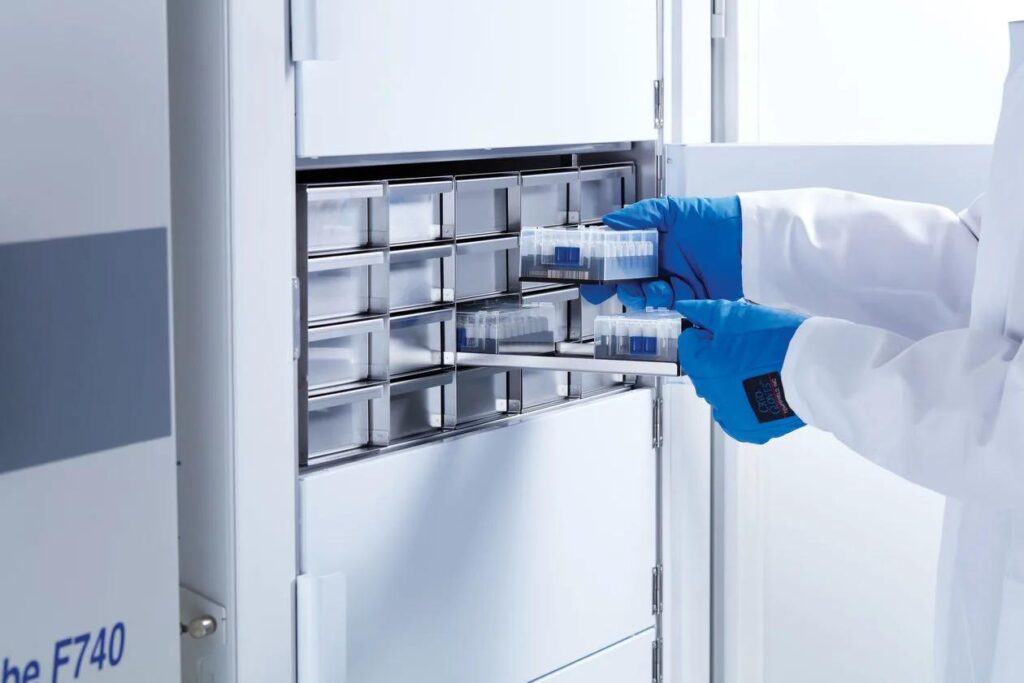
If you’ve taken the time to source high-quality peptides, proper storage isn’t optional — it’s essential. Poor storage can degrade product quality, reduce stability, and ultimately waste your investment.
This guide breaks down exactly how to store peptides properly, so you maintain purity, consistency, and long-term usability.
Why Proper Storage Matters
Peptides are sensitive compounds. Exposure to:
- Heat
- Light
- Moisture
- Air
…can lead to degradation.
That means even if you buy from a trusted source like your own store, improper handling after delivery can compromise quality.
This is why buyers searching for “how to store peptides” are often high-intent, serious customers.
General Storage Rules for Peptides
✔ Keep Peptides Cool
Most peptides should be stored in a refrigerated environment (2°C to 8°C).
Avoid:
- Room temperature for long periods
- Exposure to heat (cars, direct sunlight)
✔ Protect from Light
UV light can degrade peptides quickly.
Best practices:
- Store in original packaging
- Use opaque containers
- Keep away from direct sunlight
✔ Minimize Air Exposure
Oxygen can affect stability.
Tips:
- Keep vials tightly sealed
- Avoid frequent opening
- Handle quickly when in use
✔ Avoid Moisture
Humidity can damage peptide integrity.
- Store in dry environments
- Avoid condensation buildup
- Do not expose to water
Refrigeration vs Freezing
Refrigeration (Recommended for Most Users)
- Ideal for short to medium-term storage
- Maintains stability
- Easy access
Freezing (Advanced Storage)
- Used for long-term storage
- Must avoid repeated freeze/thaw cycles
- Requires careful handling
For most buyers, refrigeration is the best and safest option.
Storage After Opening
Once opened, peptides become more sensitive.
Best practices:
- Store immediately after use
- Keep exposure time minimal
- Maintain consistent temperature
Common Storage Mistakes (Avoid These)
❌ Leaving peptides at room temperature too long
❌ Exposing to sunlight
❌ Improper sealing
❌ Frequent temperature changes
❌ Storing in humid environments
These mistakes are one of the biggest reasons buyers lose product quality.
How to Maximize Shelf Life
To get the most from your purchase:
- Store immediately after delivery
- Maintain stable temperature
- Avoid unnecessary handling
- Use consistent storage conditions
This ensures your peptides remain high quality from first use to last.
Where to Buy High-Quality Peptides
Storage is only half the equation — sourcing matters too.
To ensure the best results:
- Buy from trusted suppliers
- Choose high purity products
- Look for reliable shipping
Start here:
FAQ Section (SEO BOOST)
How long can peptides be stored?
Shelf life depends on storage conditions, but proper refrigeration significantly extends usability.
Should peptides always be refrigerated?
Most peptides benefit from refrigeration to maintain stability.
Can peptides go bad?
Yes, improper storage can lead to degradation and reduced effectiveness.
Is freezing necessary?
Not always — refrigeration is sufficient for most users.
Final Thoughts
Proper peptide storage is simple — but critical.
If you want to protect your investment and maintain quality:
- Keep peptides cool
- Avoid light and moisture
- Minimize exposure
Do this right, and your products will stay stable, effective, and reliable.
This guide is optimized for users searching for how to store peptides properly, peptide storage guide, best way to store peptides, refrigeration of peptides, and peptide shelf life tips. By combining practical advice with buyer-focused insights, this content helps users protect product quality while reinforcing trust in high-purity peptide suppliers.
